The case for helping Arizona students learn to disagree better
After learning to disagree well through high school speech and debate, Nivea Krishnan and two fellow Arizona Talks leaders make the case for expanding an activity only 48 of the state's roughly 560 high schools can offer.


By Nivea Krishnan , Tara Cosentino , and Richie Glover
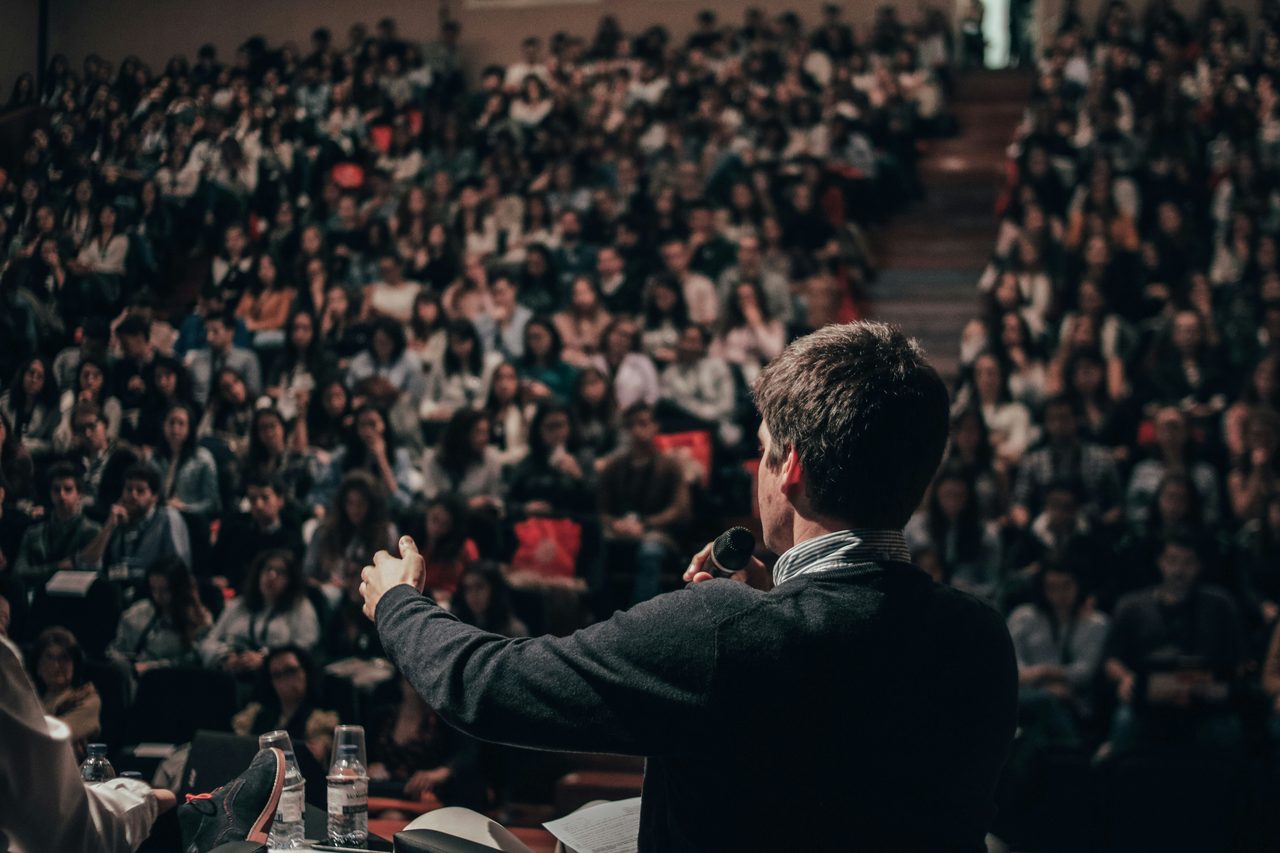
As a 24-year-old who grew up in this divisive climate, I didn’t learn how to civilly discuss complex topics out in the real world, or even in the classroom. Public discourse across the country feels increasingly strained, with political polarization taking hold and further fracturing our communities. But I learned how to disagree through speech and debate.
For those who are unfamiliar, here’s a quick rundown of the activity from a debate veteran and Arizona coach, Richie Glover:
“Debate” tends to conjure visions of either political candidates dropping talking points at one another on television, or the sorts of bad-faith toxic bickering matches that have achieved some degree of popularity on TikTok and YouTube. That is to say, the common perception of debate is often rather disconnected from what organized competitive speech and debate actually entails. Each year, new students arrive at the inaugural speech and debate team meeting, some with thoughts of trophies and medals, some with sights set on jobs in politics or law or Hollywood, and some whose parents have insisted that this is an extracurricular they should have on their resume. Some are eager and outgoing, others shy and introverted. If they stick with the activity, they graduate with poise, confidence, an array of valuable skills, and a deep understanding of the power of their words to make an impact. Speech and debate is about so much more than just winning a cheap rhetorical victory. Competitive debate demands more than simply waiting for your turn to speak. Formal competitive debates require students to prepare for both sides of an argument. The pedagogy of switch-side debate means that arguments have to be addressed in good faith, and that debaters have to evaluate the strongest arguments on opposing sides. Beyond debate, the activity offers instruction in research, rhetoric, writing, persuasion, and performance. Students who compete in speech and debate have the chance to share their ideas, thoughts, and feelings in ways that guarantee they are heard. Young people are often made to feel like what they have to say doesn’t matter. The magic of speech and debate is that it provides a venue where someone will genuinely listen. And for the listeners? The depth, wit, intellect, and talent on display will absolutely blow you away. When given a forum, these future civic leaders learn well how powerful their words can be. It isn’t the surface-level back-and-forth of a candidate trying to get elected. It isn’t the “debate-me-bro” bad-faith bickerfest of the internet. Speech and debate is a forum for students to hone their words into powerful messages, speeches, arguments, and performances that reveal the power of their voices.
I cannot overstate how transformative speech and debate was for me. Not only did it strengthen my research and critical thinking skills far beyond what any homework assignment or political debate could, but it gave me a model for productive disagreement that I continue to employ today. In a world where AI and algorithms are baiting us to outsource our thinking, my training as a debater keeps me grounded in facts and logical reasoning. It’s because of debate that I pursued degrees in public policy and economics. It’s because of debate that I have a voice I can use to advocate for the issues I care about. And yet, I was only able to reap these benefits because I was lucky enough to go to a high school with a well-funded speech and debate program.
Out of the approximately 560 high schools in Arizona, only 48 have an active speech and debate team. That means hundreds of thousands of our students are unable to engage with an activity that younger generations like mine desperately need and would benefit immensely from. The hundreds of schools without a program tend not to have one because of a lack of resources. Maybe they can’t provide additional compensation for the faculty advisor overseeing the program. Perhaps they don’t have the funds to secure transportation to and from in-state tournaments, or they can’t afford the annual membership fee to be part of the National Speech and Debate Association.
The upside? This problem is solvable, and it’s why we started the Arizona Talks Civic Action Network.
As our co-chair, Tara Cosentino, explains:
The launch of the Arizona Talks Civic Action Network (CAN) mobilizes the mission of civil discourse into action. We believe every Arizonan deserves the opportunity to be heard, engage thoughtfully, and help shape the future of our communities. Our flagship initiative is expanding equitable access to speech and debate programs across Arizona schools, while equipping educators with the resources they need to develop the next generation of confident communicators and civic leaders. Beyond the classroom, we will bring people together through volunteer service projects, community activations, and dinner dialogues focused on the issues shaping Arizona. By creating opportunities for meaningful conversation and collective action, Arizona Talks is helping build a stronger, more connected, and more engaged state. I know how impactful this activity can be not just because I found success through it, but because thousands of my peers did as well. We are community organizers, we are elected officials, we are leaders at the local, state, and national levels. That’s why I’m the co-chair of Arizona Talks CAN and why I’m deeply passionate about investing in this activity. Fundamentally, speech and debate produces people who know how to disagree better, and our community only stands to benefit when we invest in it.

About Nivea Krishnan
Nivea Krishnan is a civic innovator and youth empowerment leader dedicated to making systems work better for people and ensuring they know how to use them. A Fulbright Scholar and former Arizona speech and debater, she now serves as Co-Chair of the Arizona Talks Civic Action Network and helps manage the Arizona Cardinals' Civics Matters program, bringing civic education and engagement to the state’s 600,000 middle and high school students.
More from Nivea Krishnan
About Tara Cosentino
Tara Cosentino is a strategic community relations leader and Chair of the Arizona Talks Civic Action Network who focuses on advancing health equity, civic engagement, and cross-sector partnerships. In her role at Blue Cross Blue Shield of Arizona, she leverages philanthropy and community outreach to build sustainable systems that empower Arizonans statewide.
More from Tara Cosentino
About Richie Glover
Richard “Richie” Glover is a decorated NSDA three-diamond speech and debate coach of 25 years who currently instructs at McClintock High School and Arizona State University. He actively champions youth leadership and civic dialogue as the associate director of the Southwest Speech and Debate Institute and as a board member for the Arizona Talks Civic Action Network.
More from Richie GloverSee it differently?
We welcome thoughtful commentary from contributors across Arizona.
Get Voices by email
New essays and invitations to upcoming conversations.