
U.S. immigration laws are necessary and fair
Arizona state Senator John Kavanagh argues that U.S. immigration laws are both necessary and fair. His case rests on how those laws were made, through a democratic process, and on fairness to the immigrants who follow the rules and wait their turn.

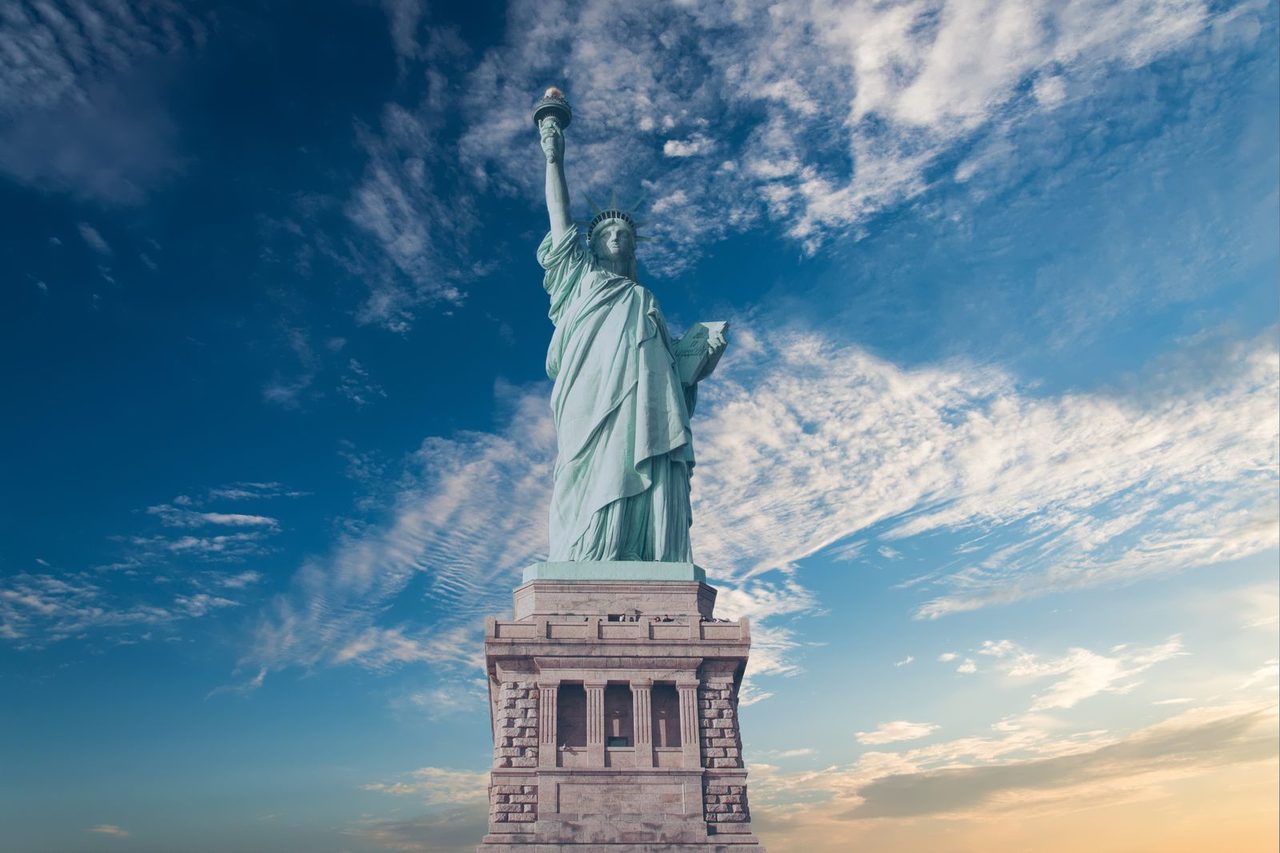
The United States has always been a nation of immigrants. People from all over the world have always come to America seeking freedom, opportunity, and a better life. Such legal immigration has strengthened our nation economically, culturally, and socially.
However, mutually advantageous immigration requires proper laws. U.S. immigration laws are both necessary and fair because they were enacted through the democratic process, serve legitimate national interests, and provide one of the world's most generous systems for legal immigration and citizenship.
All countries have immigration laws. Nations must regulate who may enter their borders, remain, and become citizens. Immigration laws are not unique to the United States; they are an essential feature of all national sovereignty.
America's immigration laws were democratically established. They were debated and enacted by Congress and signed into law by presidents elected by the American people. Major reforms occurred in 1965. Those reforms abolished the old national-origin quota system that favored certain Northern Europeans and opened immigration opportunities to people from countries throughout the world. The result was a more diverse and inclusive immigration system.
Notably, these immigration laws have remained largely intact through administrations controlled by both political parties. Even when Democrats controlled the White House and Congress, the core structure of our immigration laws was not fundamentally changed, reflecting broad acceptance of the current system.
Immigration laws serve many important purposes. They protect national security by screening entrants and preventing the entry of terrorists, spies, criminals, and others who may pose risks. They promote public safety by verifying identities and excluding those with serious criminal histories. Economic considerations also support strong immigration laws. Governments must balance labor market needs, workforce shortages, and economic growth while protecting wages and working conditions.
Immigration laws also help governments plan for schools, hospitals, housing, transportation systems, and other public services. Public health concerns provide another reason for immigration laws, as governments must be able to screen for certain dangerous communicable diseases and respond to health emergencies.
Immigration laws also serve humanitarian purposes. They create organized pathways for family reunification, employment visas, work visas, student visas, refugee admissions, asylum claims, and permanent residence. Finally, immigration laws help combat human trafficking, smuggling organizations, document fraud, and other forms of transnational crime.
Fairness does not equate to allowing open and unlimited immigration. It requires treating applicants equally and respecting those who follow the rules. Millions of people from around the world spend years completing applications, submitting documents, undergoing background checks, paying fees, and waiting for opportunities to immigrate legally. When individuals enter the United States illegally or remain after their legal authorization expires, they bypass procedures that others have respected and may even take their places. In that sense, illegal entrants can be viewed as line jumpers who place themselves ahead of individuals waiting in their home countries and attempting to immigrate through lawful channels. A fair system should not disadvantage those who obey the rules in favor of those who break them.
Effective immigration laws also require meaningful enforcement. Laws that exist only on paper are meaningless and even dangerous. Also, when immigration laws are not consistently enforced, they encourage additional illegal entry by signaling that the likelihood of consequences for lawbreaking is low. As more people perceive that immigration laws are not being enforced, more may choose to bypass legal channels rather than wait their turn.
When lax enforcement is combined with broad amnesty programs for prior illegal entrants, it can create the expectation that future violations will also be forgiven. Such a cycle encourages even more unlawful immigration and undermines confidence in the fairness of the system. A nation that effectively rewards illegal entry while millions of others patiently follow legal procedures risks creating the perception that the rules do not matter. A fair and compassionate immigration policy therefore requires both legal immigration opportunities and strict enforcement of the law both at the border and internally.
Critics argue that U.S. immigration laws are unfair. Yet, the United States admits more legal immigrants annually than any other country in the world and offers many pathways to legal immigration, including family sponsorship, employment-based visas, refugee admissions, asylum programs, student visas, diversity visas, and investor visas. These legal immigrants often become permanent residents and eventually citizens through naturalization. In addition, immigrants generally receive constitutional due process protections and access to legal procedures designed to ensure fairness and accountability.
In conclusion, U.S. immigration laws are necessary and fair. They were enacted through democratic institutions, serve important national interests, and help maintain security, public safety, economic stability, and orderly governance. They also support one of the world's most welcoming legal immigration systems.
America remains a nation of immigrants, but it is also a nation of laws. The United States can only continue to welcome newcomers from around the world by insisting that immigration occur through legal and orderly processes and by punishing and deporting those who break our immigration laws. Doing so respects national sovereignty, protects the rule of law, and honors the millions of people who patiently follow the legal path to achieving the American dream.

About John Kavanagh
John Kavanagh is a Republican state senator representing Arizona's Legislative District 3. He has served in the Arizona Legislature since 2007 and is a retired Port Authority of New York and New Jersey police detective sergeant who later taught criminal justice at Scottsdale Community College. He holds a Ph.D. in criminal justice from Rutgers University.
More from John KavanaghSee it differently?
We welcome thoughtful commentary from contributors across Arizona.
Get Voices by email
New essays and invitations to upcoming conversations.